
Introduction
A “related post” is an article suggested to readers on a website or blog based on its relevance to the current article. It aims to provide additional information or insights that could interest the reader and encourage them to explore more content on the site.
Examples:
Below are various scenarios where and how related post can be effectively employed:
Layout 1
-

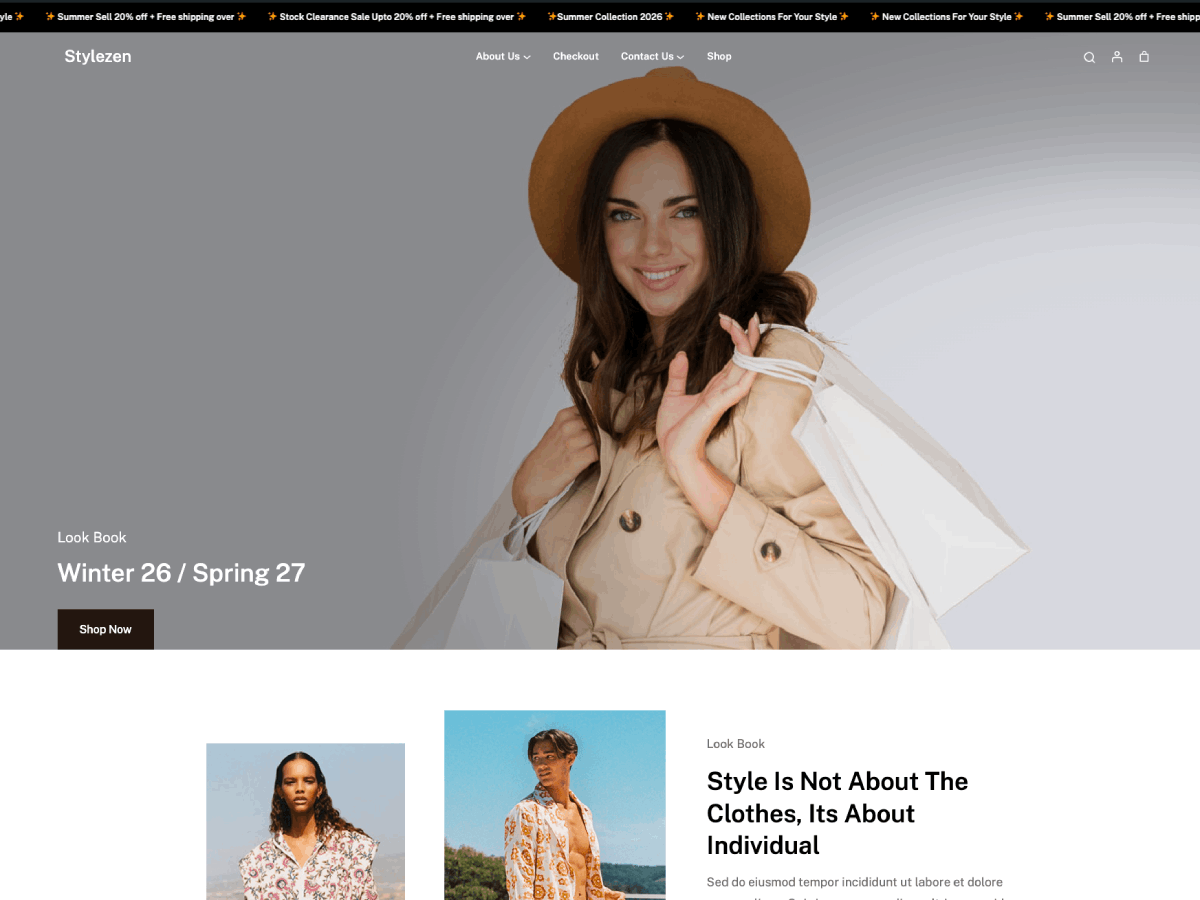
Stylezen WooCommerce Theme Now Live on WooCommerce.com
Read more: Stylezen WooCommerce Theme Now Live on WooCommerce.comOur full-site editing theme for fashion and lifestyle WooCommerce stores is headed to the WooCommerce.com marketplace — here is what ships in version 1.0.2.
-
7 Best WordPress Affiliate Plugins for 2026
Read more: 7 Best WordPress Affiliate Plugins for 2026Affiliate marketing is one of the easiest ways to grow your WordPress business, but only when the right affiliate tools are in place. We’ve seen many beginners install random WordPress affiliate plugins without understanding how they affect tracking, payouts or affiliate performance. This, in most of the cases, leads to confusion and poor results. Picking…
-

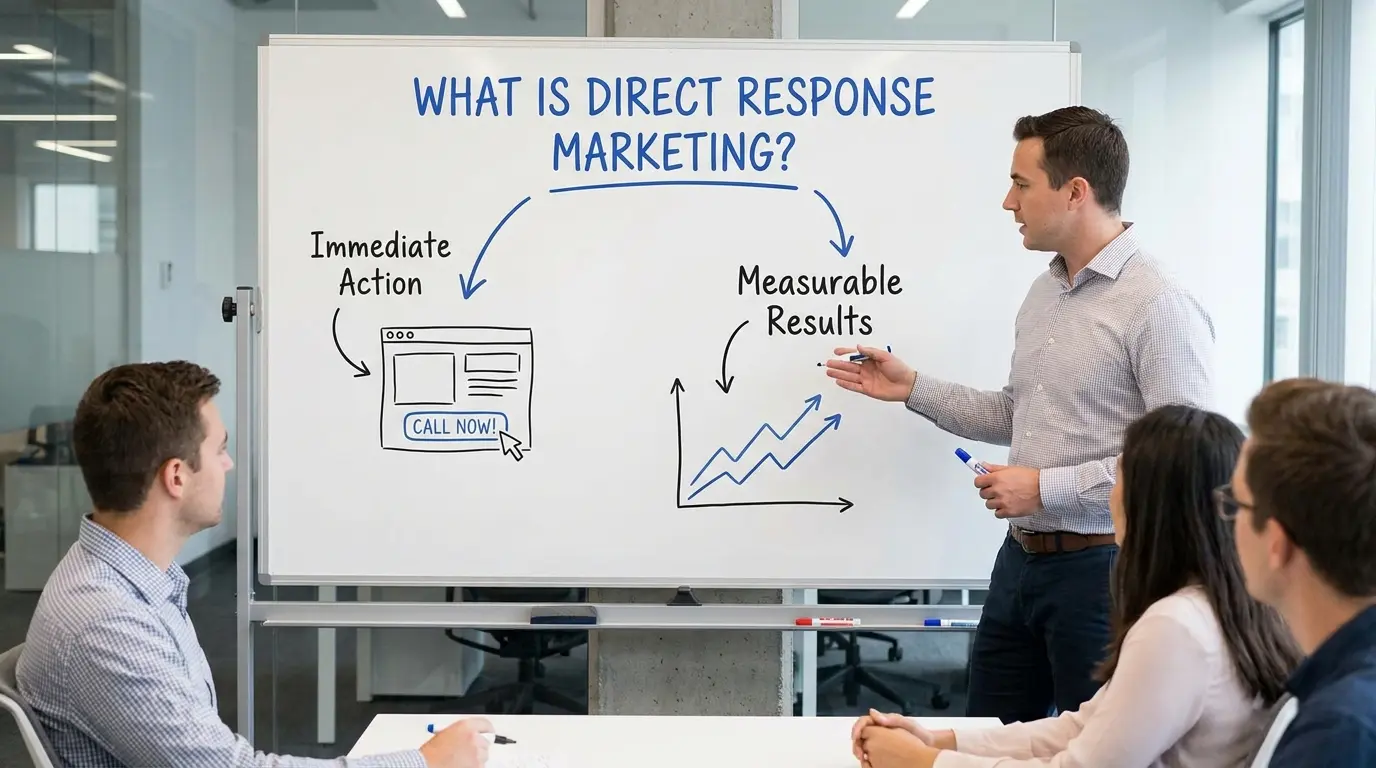
What Is Direct Response Marketing?
Read more: What Is Direct Response Marketing?In today’s competitive digital world, businesses don’t just want attention, they want action. That’s where direct response marketing comes in. Unlike traditional advertising that focuses mainly on brand awareness, direct response marketing is designed to make people take immediate action. Whether it’s clicking a link, signing up for a newsletter, buying a product, or booking…
Layout 2
-

Introduction to Blocks, Advanced Blocks from Gutenify
Read more: Introduction to Blocks, Advanced Blocks from GutenifyBlocks are just components for adding content in the new WordPress block editor. There are many different block types available for you to use. WordPress core has multiple basic blocks. But are those blocks enough? We Introduce Gutenify Blocks. Gutenify is a free plugin that offers multiple advanced blocks that are different from WordPress core blocks.…
-
Introduction to Templates
Read more: Introduction to TemplatesTemplates are in built section offered by Gutenify Plugins. Templates can be can be easily added on page/posts or you can also create your own templates too and add sections accordingly. There are different templates offered by Gutenify such as Pricing Table, Services, Team, Slider, Gallery Slider, Buttons, Star Rating and so on. You can…
-
Introducing Our First WordPress Theme – Hello Gutenify
Read more: Introducing Our First WordPress Theme – Hello GutenifyAfter a lot of research, persistence and a lot of work hours, we finally bring to you our first WordPress Theme Hello Gutenify. With the release of WordPress 5.9, WordPress transitioned itself to to full site editing(FSE). Full site editing is a set of new WordPress features: Block themes, template editing, site blocks, and global styles. Everything you see…

Layout 3
Layout 4
-
 Read more: WordPress vs Drupal: Which CMS is Right for You?
WordPress powers more than 40% of websites on the internet. It’s easy to use, flexible, and backed by a huge library of themes and plugins that let you build almost anything without heavy coding. Drupal, on the other hand, takes a different approach. It’s built for strength, security, and handling complex websites. That’s why it’s…
-
 Read more: WordPress Countdown Timer for Conversions: The Ultimate Guide to Explosive Growth
💡 Why This Matters to You If you’ve ever felt like you’re getting traffic but not enough sales, this guide is for you. We don’t just show you how to add a clock to your site; we show you how to use a WordPress Countdown Timer for Conversions to turn hesitant visitors into loyal customers.…
-
 Read more: What is WordPress? A Comprehensive Explanation
What is WordPress? WordPress is one of the most amazing platforms out there for creating websites and blogs! It’s been around since 2003 and has since become the most popular CMS for websites. It is utilized by around 40% of all websites on the internet. That’s insane! The thing that really gets me excited about…
Layout 5
-
10+ Best WordPress Restaurant Themes with FSE Support
Read more: 10+ Best WordPress Restaurant Themes with FSE SupportAre you looking for the most modern, flexible, and easy to change best WordPress restaurant themes? Full Site Editing (FSE) support is now the norm in WordPress, so it’s time to get rid of clunky builders and switch to themes that let you fully control the design—without having to touch code. This list has 10+…
-
5 Most popular WordPress Page Builders in 2022 to try
Read more: 5 Most popular WordPress Page Builders in 2022 to tryThere are best WordPress page builder are available if you want a simple way to build and customize your WordPress website. this is the case, a drag-and-drop WordPress page builder could be the ideal solution. The only difficulty is finding the right one! All of these powerful page builders, such as Elementor, Beaver Builder, and…
-
5 of the Best Free WordPress Block Editor Plugins
Read more: 5 of the Best Free WordPress Block Editor PluginsThere are the best free Gutenberg ( Block Editor ) Plugins If you want to add some extra functionalities to your web to make it look better and more attractive, you may need to use them according to your business needs. Gutenberg provides drag-and-drop blocks for all of the elements on your page, no matter…
Advantage
- Increased Engagement: Related posts encourage visitors to stay longer on your site by offering additional relevant content they might find interesting.
- Enhanced User Experience: They provide readers with more valuable information on topics they’re already interested in, improving their overall browsing experience.
- Improved SEO: Related posts can help improve your website’s SEO by increasing internal linking and keeping visitors engaged, which can lower bounce rates and increase session duration.
- Promotion of Older Content: They bring renewed attention to older articles or posts that might still be relevant, extending the lifespan of your content.
- Higher Conversion Rates: By keeping visitors on your site longer and providing them with relevant content, related posts can contribute to higher conversion rates as visitors become more familiar with your offerings.